Thursday, July 20, 2017

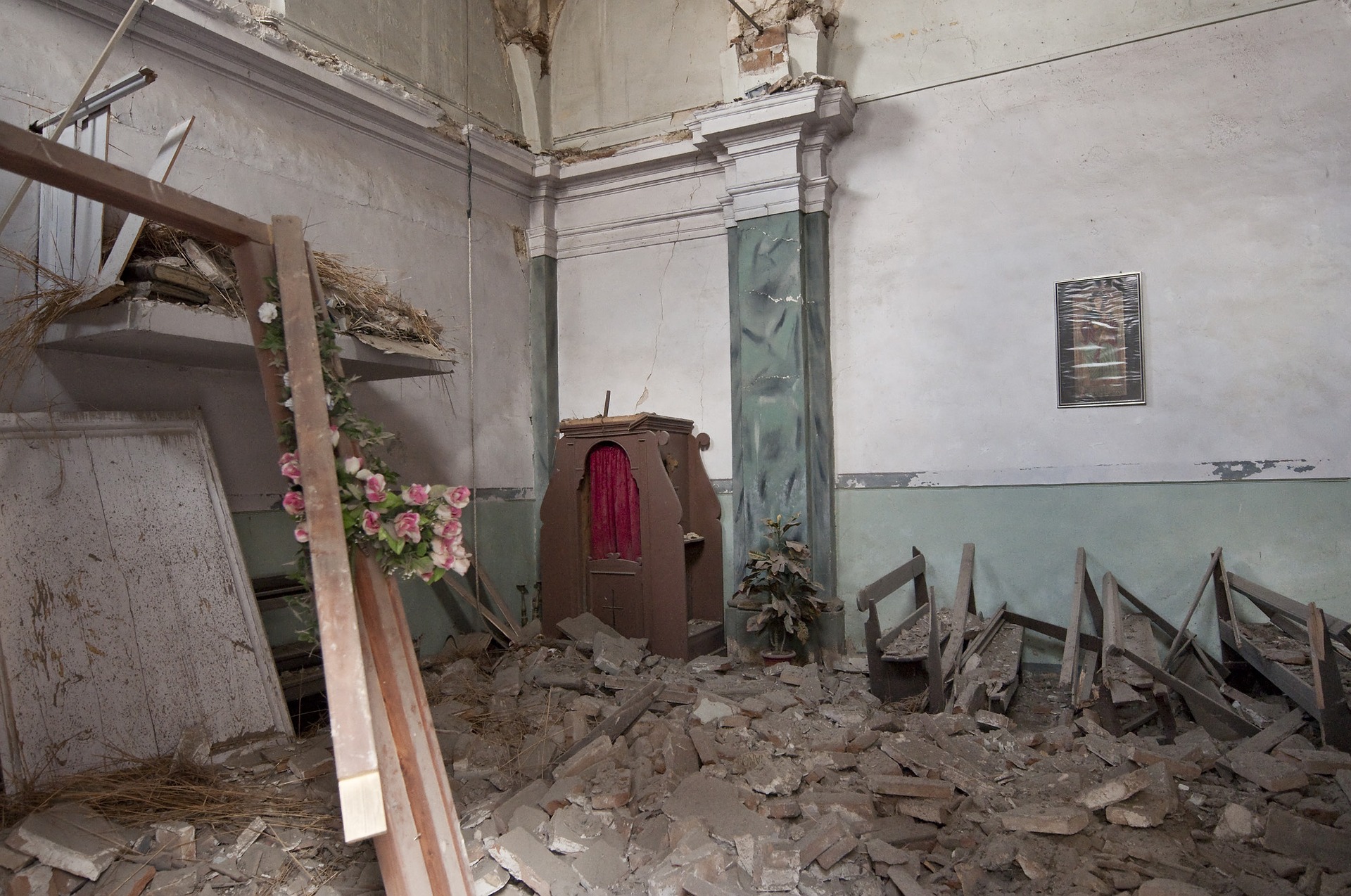
Budget Cuts May Kill California’s Earthquake Warning System


The early earthquake warning system, which has received approval from elected officials in both parties, may be facing another bump in the road.

The system, which was set for limited release early next year, is on President Trump’s chopping block, thanks to newly proposed budget cuts.

Luckily, both Republicans and Democrats have rallied behind the early earthquake warning system and are working to save it.

Both parties are asking for a reversal of these budget cuts, and requesting that Congress disregards President Trump’s latest budget proposals.

Thanks to a House of Representatives subcommittee, Congress is expected to approve a new budget plan that would continue funding for California's early earthquake warning system.

In May, congress appointed $10.2 million for the warning system’s present budget year … and President Trump has allocated zero dollars for next year’s budget.

The early earthquake warning system is estimated to cost $16.5 million a year to run and operate and a total of $38.2 million to build.

The earthquake warning system could give as much as a minute’s notice before the shaking of a major quake makes its way to densely populated cities and public areas.

The system would allow places like classrooms, offices, malls, amusement parks, hospitals, police stations and fire stations to have access to these alerts, saving many more lives with extra seconds to drop and cover.

Other countries around the world have already implemented similar earthquake warning systems, like Mexico and Japan.

For now, it’s important to make sure you’re doing everything you can to prepare for the next “Big One.”

“The Big One is coming,” USGS research geophysicist Ken Hudnut told the L.A. Times. “The threat of the Big One on the southern San Andreas fault – the Coachella segment, where they have the big concerts down near palm springs – that threat is especially real.”

Julian De La Torre is an expert in Los Angeles earthquake retrofitting, foundation inspection, foundation repair and foundation replacement. As the founder of Julian Construction, Julian and his company have inspected over 15,000 structures.

Julian Construction routinely works with engineering firms and local departments of building & safety. The company has done more seismic retrofit work in Los Angeles than any other company in the area over the last five years.

Everything You Need to Know About Earthquake Retrofitting

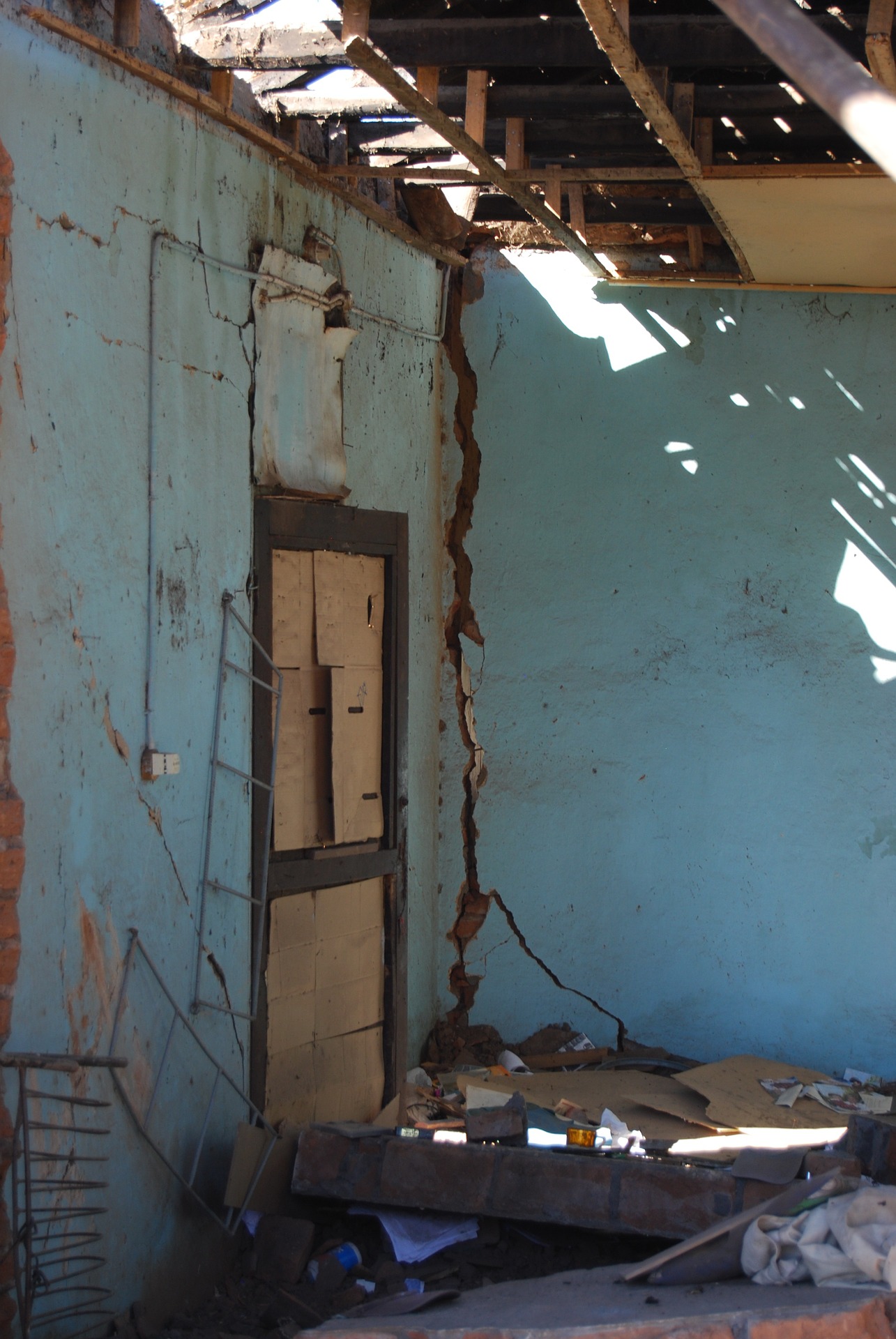
earthquake damage

As a California resident, you know that earthquakes pose a real threat.

As we saw with the devastating Northridge earthquake of 1994, large seismic quakes can cause serious damage to buildings and homes. Thanks to advances in structural engineering, earthquake retrofitting is one of the most efficient ways to prevent massive damage to your home – injuries and even death – in the event of a massive earthquake.

When the earth shakes, buildings are more likely to be displaced from their concrete foundation or collapse if they are not properly secured to the ground.

Earthquake retrofitting increases a building or home’s resistance to this side-to-side motion, thus incurring less damage and destruction.

There are few measures you can implement to retrofit a structure, depending on the type of construction of the building needing reinforcing.

Foundation bolting is when bolts are added, either with or without plates, to the existing wooden framing known as a sill plate. Bolts are typically attached to the wood that sits on top of the concrete. Whether the foundation is lacking bolts or if the older existing bolts are already in place and in good shape -- but too far apart -- careful installation of new foundation bolts will add strength to the structure. During the Northridge earthquake, homes lacking foundation bolts slid off their foundations and collapsed.

Cripple wall bracing is typically used to retrofit structures that have a wood-frame foundation in addition to a concrete foundation. The crawl space area located under the property and can be just a few inches in height to a few feet, and is the area below where the floor of the home is connected to its foundation. In large earthquakes, cripple wall failure was the main source of structural damage causing the first floor of a building to collapse to the ground level. During a retrofit, the cripple wall is braced to keep it from giving out during a quake. By adding structural grade plywood framing to the wood framed foundation (known as a shear wall) the house will be able to withstand the side-to-side or back-and-forth shaking of an earthquake.

Soft story retrofits are typically used on multi-family apartment structures, condominiums and homes that have a large open space, like a tuck-under parking, located below the first floor living area.
They’re referred to as “soft stories” because there is not enough reinforcement to protect the structure from the movement of an earthquake. In some soft story retrofits, a contractor will install plywood to brace the walls or install a steel moment frame to secure the area.

If your home was built prior to 1950, there’s a good chance your foundation is not seismically sound. Therefore, it’s important to contact a foundation specialist to inspect the area.

Julian De La Torre is an expert in Los Angeles foundation inspection, foundation contractors and foundation repair. Julian’s company, Julian Construction, has inspected over 15,000 structures, working with engineering firms and local departments of building & safety. The company has done more foundation repair in Los Angeles than any other company in the area over the last five years.
New Maps Show Major Fault Lines Run Under L.A.’s Most Expensive Real Estate


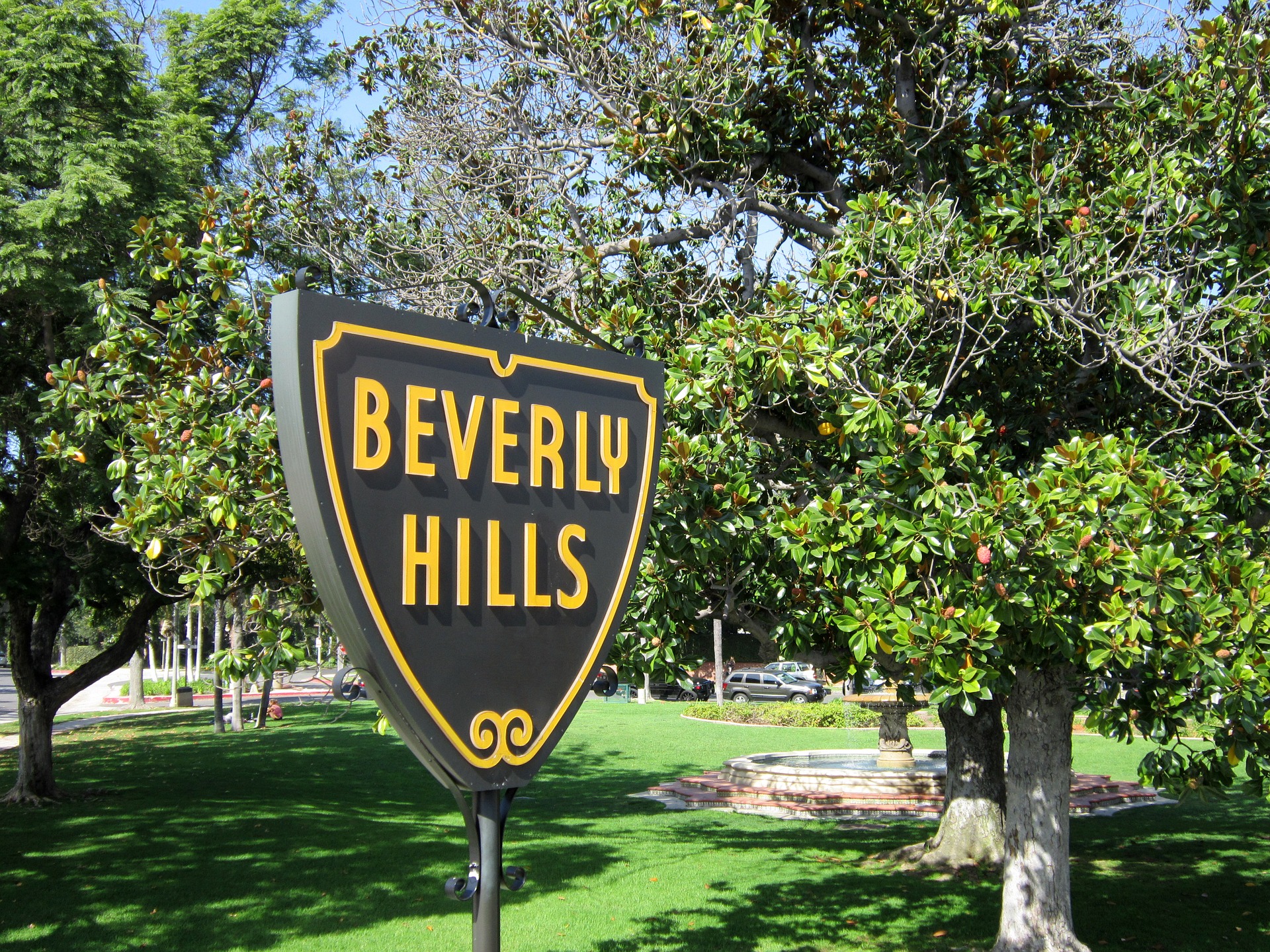
beverly hills

New fault boundaries have raised concerns for some of the priciest parts of Los Angeles. According to new fault maps – which were released on Thursday – Beverly Hills, Santa Monica, Brentwood, Pacific Palisades, Westwood and Century City have been included in the Newport-Inglewood fault zone.

 While this isn’t news for certain areas of the Westside, the remapped fault boundaries affect some of the highest-priced real estate in L.A. and, as a result, could thwart future development of those areas because building on a fault line is restricted. “It is important to not build on faults,” Tim Dawson, senior engineering geologist for the California Geological Survey, told the L.A. Times.

“Building foundations will tend to break when the earth moves beneath them, damaging the building in the process.” This is the first time the California Geological Survey has released official maps of these earthquake fault lines, connecting the Hollywood fault (which runs under Hollywood and Beverly Hills) to the Newport-Inglewood fault (which runs through Culver City, Pico-Robertson and Mid City).

While the new fault boundaries could halt future development of these areas, it will not affect the current structures that already sit on or along these fault lines. Buildings that are constructed on fault lines have a much higher risk of damage or collapse in the event of an earthquake.

The remapping of these fault lines is part of Los Angeles’ earthquake safety initiative, aiming to create more seismically safe structures and earthquake awareness throughout the city. Once these fault maps have been finalized, developers will need to hire a geologist to determine the viability of certain parts of Los Angeles before starting construction on land near or directly on these faults.

 “Extra precautions should be taken to ensure new buildings are not located on the trace of an active fault,” Dawson stressed. “The purpose of the investigation is to identify if there are active faults present, and if there are, then they must be avoided.”

 If your home was built prior to 1950, there’s a good chance your foundation is not seismically sound. Therefore, it’s important to contact a foundation specialist to inspect the area.

  Julian De La Torre is an expert in Los Angeles foundation inspection, foundation contractors and foundation repair. Julian’s company, Julian Construction, has inspected over 15,000 structures, working with engineering firms and local departments of building & safety. The company has done more foundation repair in Los Angeles than any other company in the area over the last five years.

Friday, July 7, 2017

Julian Construction Offers Helical Piles

LOS ANGELES, CA: Julian Construction (http://www.julianconstruction.com), a foundation repair and construction company, is offering helical pile services in the Los Angeles area.

Helical piles are a foundation solution, a steel shaft with blades attached in a spiral pattern, similar to a wood screw. The pile is attached at the foundation on one end and screwed into the ground on the other. Not only do helical piles stabilize a structure, they also increase load bearing capacities in a retrofit.

There are several benefits to be had when helical piles are used. Some of the benefits homeowners can expect include:

• Quick installation; faster to install than standard concrete foundations.
• Small footprint, which means you can use helical pile foundations in restricted areas.
• Can be installed in any ground, whether it be soft ground, rocky or clay.
• Flexible design; helical piles are designed specifically for your project, taking in consideration the available space and type of soil.

Peter, a past client of Julian Construction, stated, “Julian Construction repaired my foundation and bolted my house down to it. The work was scheduled for just a couple of days after receiving the proposal, completed on time and passed inspection with no problem. The price was great too. Would definitely recommend Julian Construction to anyone.”

Julian Construction has done more foundation repair in Los Angeles than any other company in the area over the last five years. Julian owns its own company and is built on a “no middleman” model – no salesman, no subcontractors. When you work with Julian Construction you get the principals of the company and workers of Julian Construction under your home. The result is the highest quality work at affordable prices. They can be contacted by phone at 323-733-3377, by fax at 323-733-4477 or via their website, www.julianconstruction.com. You can see tips and advice about home foundations on their blog at http://julianconstruction.com/blog/ or http://anchorla.com/blog/.

Julian Construction: 5 Most Common Types of Home Foundations

LOS ANGELES, CA: A foundation repair and construction company, Julian Construction (http://www.julianconstruction.com), is informing homeowners on the five types of home foundations.

Today, there are a large number of foundation types and most of these foundation types are determined based off a region’s climate and construction method. While it could be beneficial to know all of the different foundation types, there are five most common foundation types that all homeowners should know about. The five different types of home foundations include:

1. Poured concrete foundation. This is the most common type of home foundation and is formed by pouring a few inches of concrete with thicker edges.
2. Permanent wood foundation. This type of foundation is most popular in northern parts of the country where the basement is on a concrete floor and is framed with pressure treated wood.
3. Raised foundations. This type of foundation is best for areas that receive large amounts of rain.
4. Basement foundation. This type of foundation is to provide living space or storage and usually has more headroom than a crawlspace.
5. Crawlspace foundation. This type of foundation is similar to a basement foundation, however it has less headroom and is used where there is heavy clay content in the soil.

Julian Construction has done more foundation repair in Los Angeles than any other company in the area over the last five years. Julian owns its own company and is built on a “no middleman” model – no salesman, no subcontractors. When you work with Julian Construction you get the principals of the company and workers of Julian Construction under your home. The result is the highest quality work at affordable prices. They can be contacted by phone at 323-733-3377, by fax at 323-733-4477 or via their website, www.julianconstruction.com. You can see tips and advice about home foundations on their blog at http://julianconstruction.com/blog/ or http://foundationrepairforlosangeles.com/blog/.

Big Trees Inc. Assists Private School with Tree Transplanting

SNOHOMISH, WA: Big Trees Inc., (http://bigtreessupply.com/), a tree nursery and transplant company, was asked by a large, prominent private school to help transplant Stewartia trees in order to facilitate some remodeling efforts.

When Big Trees was contacted by a landscaper and property manager for the project, they identified the five trees that would be impacted by the remodel. Then, the Big Trees crew mobilized into the site within a few weeks. RootZone anti-shock treatment was applied to the trees to limit the weather and season’s effects on the trees being dug. The crew came back the next day and transplanted the five six-inch caliper measurement trees to new locations throughout the campus. The trees will be monitored and managed in their new locations until they are settled and acclimated.

Nancy Penrose, owner of Big Trees, mentioned: “Salvaging and moving beautiful trees out of harm’s way is one of the most satisfying processes we all get to participate in here at Big Trees. With these all being large Stewartia trees, it really doesn’t get much better than this! We are so happy these trees will get to grow and flower for generations to come!”

Nancy Penrose is the owner of Big Trees Inc., located in Snohomish, WA in the Seattle area. The company is one of the largest tree nurseries in the Seattle area with over 120,000 trees available in over 300 varieties. They not only deliver young trees, but also mature trees in a wide range of sizes. Some types of trees available include spring flowering, deciduous, evergreen, and privacy trees. The company also does tree transplanting including large trees. Their blog can be seen at http://www.bigtreessupply.com/blog/ or http://arboristblog.com/. They can be reached at 360-563-2700.

BigTreeSupply.com: Adding a Ginkgo Tree to Your Landscape

By Nancy Penrose

Ginkgo trees (also known as ginkgo biloba or maidenhair tree) are deciduous conifer trees with green leaves that turn golden or bright yellow during the fall. The leaves are shaped like a fan with two lobes and radiating veins. Leaf size ranges from 2 to 6 inches.

The ginkgo tree can grow up to 100 feet tall. Because of their deep root system, they are extremely resistant to wind and snow damage.
They can also be grown in different types of soil, including loam, sand and clay.

Ginkgos are known for their beautiful appearance and longevity. They have remained unchanged for more than 200 million years, and are sometimes referred to as the oldest living fossil.

During the Cretaceous period, the tree could be found throughout Europe, Asia and North America. According to fossil records, it disappeared from Europe 2.5 million years ago, and from North America 7 million years ago. The tree survived in China and, in 1691, was found in Japan. Gingko seeds were brought to Europe in the early 1700s.

The Chinese name for the tree means “silver apricot” in reference to the tree’s fruit, which looks like an apricot dipped in white flour. Only the female trees produce fruit. When the fruit drops to the ground and splits, the outer part of the seed emits a foul smell.

Even though Ginkgo nuts have an odor, they are edible and tasty. You can find the nuts in a variety of East-Asian soup and rice dishes. In Japan, toasted nuts are eaten when drinking sake.

Ginkgo leaves and nuts have also been used medicinally for many centuries to treat a variety of ailments, such as head sores, blood disorders and breathing problems. They have also been used to improve memory.

Ginkgo trees require very little care besides some periodic watering and fertilization. Give us a call today if you’d like to add this magnificent landscape tree to your yard.


Nancy Penrose is owner of Big Trees Inc. (http://www.bigtreesupply.com), (tree nursery Snohomish / Seattle, WA), one of the largest Seattle tree nurserys which specialize in large trees for sale and transplant tree service. Learn more about Big Tree Inc at http://bigtreesupply.com/about-big-tree-supply/ and for more tips on big trees care or installation go to snohomishbigtrees.com. See our video at https://www.youtube.com/watch?v=A6vVhNW1XJI and connect with us on Facebook at https://www.facebook.com/pages/Big-Trees-Inc/193731105108